Be yourself; Everyone else is already taken.
— Oscar Wilde.
This is the first post on my new blog. I’m just getting this new blog going, so stay tuned for more. Subscribe below to get notified when I post new updates.
Be yourself; Everyone else is already taken.
— Oscar Wilde.
This is the first post on my new blog. I’m just getting this new blog going, so stay tuned for more. Subscribe below to get notified when I post new updates.
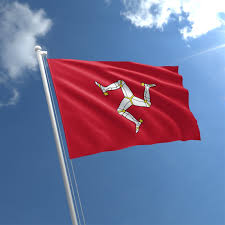
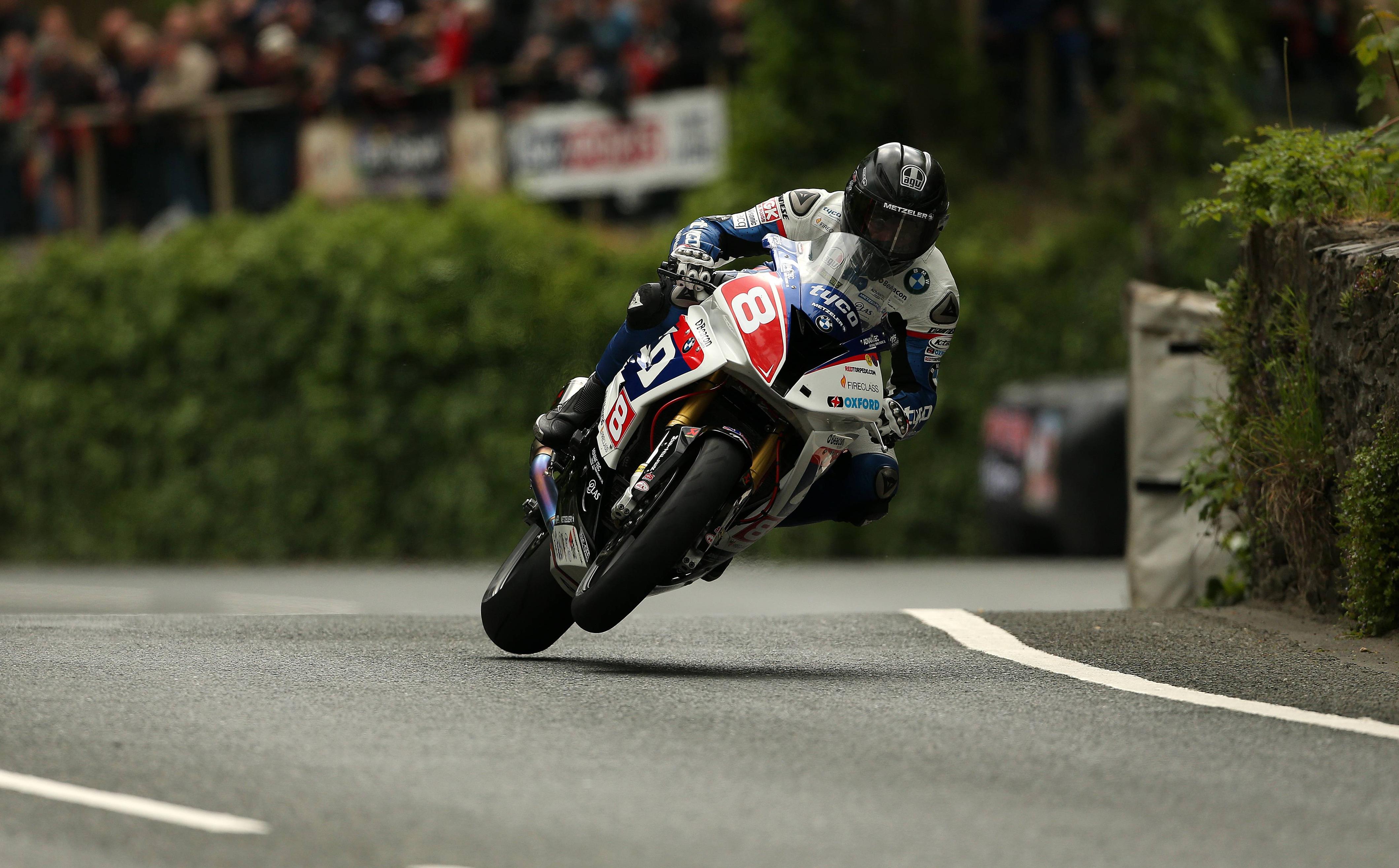
Senior Tourist Trophy is a motorcycle road race that takes place during the Isle of Man TT festival, an annual event traditionally held over the last week in May and the first week in June. The Senior TT is the Blue Riband event of the festival that takes place on the Friday of race week with ‘The Marquis de Mouzilly St. Mars trophy’ awarded to the winner.
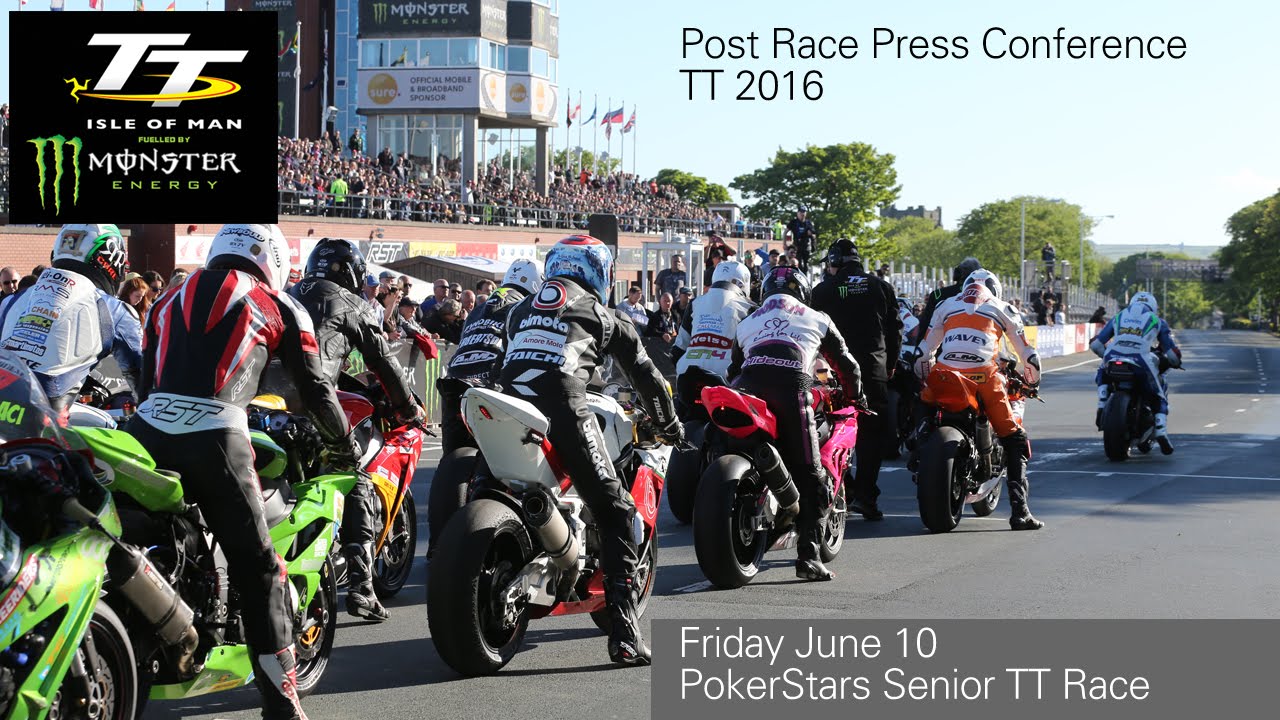
The event was part of the FIM Motorcycle Grand Prix World Championship during the period 1949–1976, before being transferred to the United Kingdom after safety concerns, becoming the British Grand Prix under the FIM from the 1977 GP season.
Until 2012, the Senior TT had never been cancelled except during the two World Wars and during travel restrictions associated with the animal foot and mouth outbreak in 2001. However, during the 2012 TT Races, with inclement weather on the day prior to its traditional Friday race day (8 June), the decision was taken to postpone racing until the following day, Saturday, 9 June. Consequently, a course inspection was made, and following a meeting between riders and officials, the decision was made to cancel the running of the Senior race for safety reasons.
The 1911 TT races was the first time the Senior TT race took place and was open to 500 cc single-cylinder and 585 cc twin-cylinder motorcycles. It was won by Oliver Godfrey riding an Indian, at an average speed of 47.63 mph over five laps of the Snaefell Mountain Coursethat was in use for the first time that year. The 1912 event was the first to limit the Senior TT to 500 cc machines and this engine capacity prevailed until 1984.
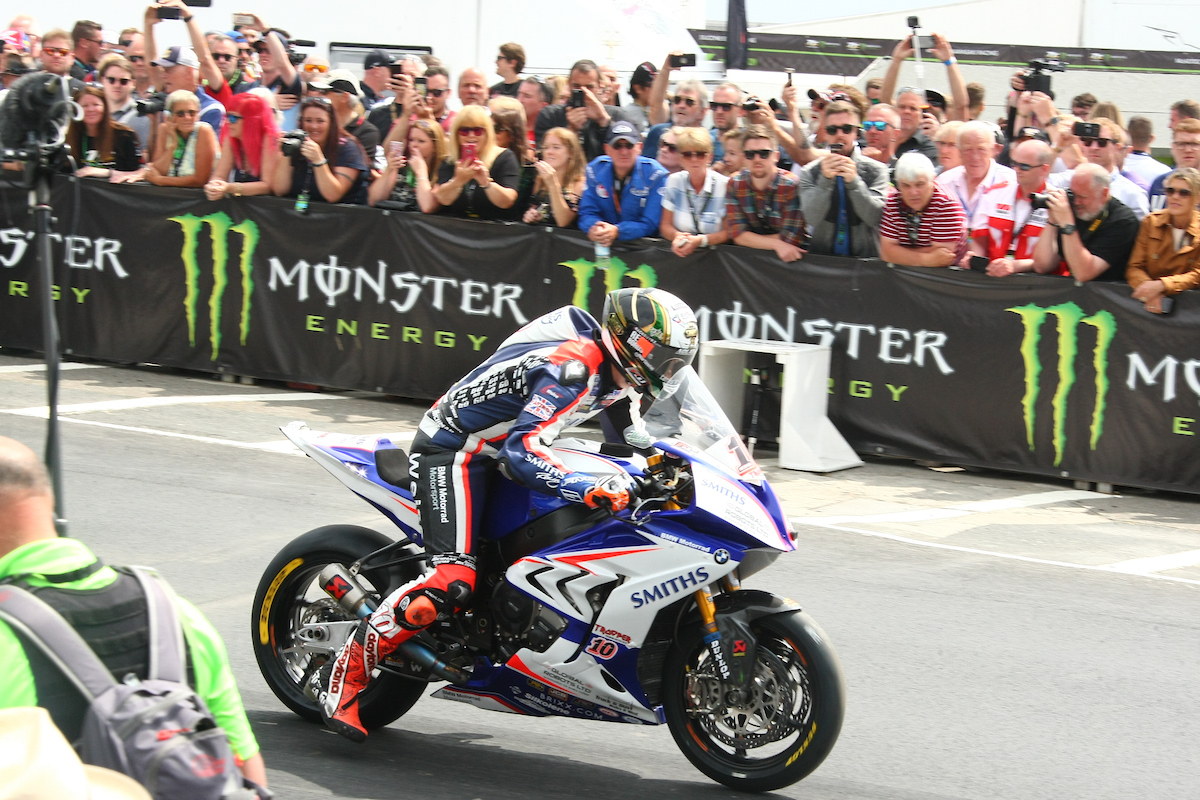
The engine capacity was modified from the traditional (up to) 500 cc for two-strokes and is now (up to) 1,000 cc for four-strokes, although 1,000 cc machines were permitted in 1985 and 1986, 1,300 cc in 1987, 1988 and 1989, and 750 cc in 1990–1998.
The 2012 specification for entries into the Senior TT race are defined as:
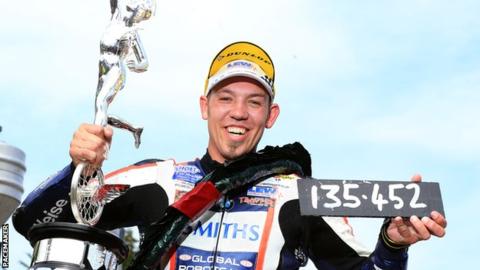
The lap record for the Senior TT class is 16 minutes and 42.778 seconds at an average speed of 135.452 mph (217.989 km/h) set by Peter Hickman during the 2018 Senior TT Race. The race record is also held by Hickman in 1 hour, 43 minutes and 08.065 seconds; an average race speed of 131.700 mph (211.951 km/h) achieved during the same 6 lap race.
The longest race distance for a FIM Motorcycle Grand Prix World Championship event was the 500 cc 1957 TT race, over 8 laps (302.00 Miles), won by Bob McIntyre riding a 500cc Gilera, in 3 hours, 2 minutes and 57.0 seconds at an average race speed of 98.99 mph.
YearRiderManufacturerAverage Race Speed1911

Oliver GodfreyIndian47.63 mph1912
Frank A. ApplebeeScott48.69 mph1913

Cyril PullinRudge49.49 mph1915-1919Not held1920
Tommy de la HaySunbeam51.79 mph1921
Howard R. DaviesAJS54.49 mph1922
Alec BennettSunbeam58.31 mph1923

Tom SheardDouglas55.55 mph1924
Alec BennettNorton61.64 mph1925
Howard R. DaviesHRD66.13 mph1926

Stanley WoodsNorton67.54 mph1927
Alec BennettNorton68.41 mph1928
Charlie DodsonSunbeam62.98 mph1929
Charlie DodsonSunbeam72.05 mph1930
Wal HandleyRudge74.24 mph1931
Stanley WoodsNorton79.38 mph1933
Stanley WoodsNorton81.04 mph1934

Jimmie GuthrieNorton78.01 mph1935
Stanley WoodsMoto Guzzi84.68 mph1936
Jimmie GuthrieNorton85.80 mph1937
Freddie FrithNorton88.21 mph1938
Harold DaniellNorton89.11 mph1939

Georg MeierBMW89.38 mph1940-1946Not held1947
Harold DaniellNorton82.813 mph1948

Artie BellNorton84.969 mph1949
Harold DaniellNorton86.93 mph1950
Geoff DukeNorton92.37 mph1951
Geoff DukeNorton89.90 mph1952
Reg ArmstrongNorton92.97 mph1953

Geoff DukeGilera97.93 mph1956
John SurteesMV Agusta96.57 mph1957
Bob McIntyreGilera98.99 mph1958
John SurteesMV Agusta98.63 mph1959
John SurteesMV Agusta87.94 mph1960
John SurteesMV Agusta102.44 mph1961
Mike HailwoodNorton100.61 mph1962
Gary HockingMV Agusta103.51 mph1963
Mike HailwoodMV Agusta104.64 mph1964
Mike HailwoodMV Agusta100.95 mph1965
Mike HailwoodMV Agusta91.69 mph1966
Mike HailwoodHonda103.11 mph1967
Mike HailwoodHonda105.62 mph1968

Giacomo AgostiniMV Agusta101.63 mph1969
Giacomo AgostiniMV Agusta104.75 mph1970
Giacomo AgostiniMV Agusta101.52 mph1971
Giacomo AgostiniMV Agusta102.59 mph1972
Giacomo AgostiniMV Agusta104.02 mph1973

Jack FindlaySuzuki101.55 mph1974
Phil CarpenterYamaha96.99 mph1975
Mick GrantKawasaki100.27 mph1976
Tom HerronYamaha105.15 mph1977
Tom HerronSuzuki111.74 mph1979
Mike HailwoodSuzuki111.75 mph1980

Graeme CrosbySuzuki109.65 mph1981
Mick GrantSuzuki106.14 mph1982
Norman BrownSuzuki110.98 mph1983
Rob McElneaSuzuki114.81 mph1984
Rob McElneaSuzuki115.66 mph1985
Joey DunlopHonda113.69 mph1986
Roger BurnettHonda113.98 mph1987
Joey DunlopHonda99.85 mph1988
Joey DunlopHonda117.38 mph1989
Steve HislopHonda118.23 mph1990
Carl FogartyHonda110.95 mph1991
Steve HislopHonda121.09 mph1992
Steve HislopNorton121.28 mph1993
Phillip McCallenHonda118.32 mph1994
Steve HislopHonda119.25 mph1995
Joey DunlopHonda119.11 mph1996
Phillip McCallenHonda119.76 mph1997
Phillip McCallenHonda119.45 mph1998
Ian SimpsonHonda119.79 mph1999
David JefferiesYamaha121.27 mph2000
David JefferiesYamaha121.95 mph2001Not held2002
David JefferiesSuzuki124.74 mph2003
Adrian ArchibaldSuzuki124.53 mph2004
Adrian ArchibaldSuzuki123.81 mph2005
John McGuinnessYamaha124.324 mph2006
John McGuinnessHonda126.178 mph2007
John McGuinnessHonda127.255 mph2008
John McGuinnessHonda127.186 mph2009
Steve PlaterHonda128.278 mph2010
Ian HutchinsonHonda128.607 mph2011
John McGuinnessHonda128.426 mph2012Senior TT Cancelled due to weather conditions2013
John McGuinnessHonda128.943 mph2014
Michael DunlopBMW128.680 mph2015
John McGuinnessHonda130.481 mph2016
Michael DunlopBMW130.685 mph2017
Michael DunlopSuzuki130.456 mph2018
Peter HickmanBMW131.700 mph2019
Dean HarrisonKawasaki130.824 mph
U
The 1922 event was the first time the Lightweight TT race took place, won by a motorcycle-journalist Geoff S. Davison, riding a Levis at an average speed of 49.89 mph (80.29 km/h) for seven laps of the Snaefell Mountain Course. In the changes following the loss of FIM World Championship status after the 1976 event, the Lightweight TT event was dropped with the 250 cc machines running for the Junior TT in place of the now defunct 350 cc formula. The Lightweight TT returned in 1995 before being split into two distinct events from 1999, dropping from the schedule again after 2003. As with the Ultra-Lightweight TT Race, it was reintroduced 2008–2009 when held on the Billown short road circuit; and then dropped again from the race schedule on cost grounds.
The 2019 specifications for entries into the Lightweight TT race are:
Mininium weight for the Lightweight TT class is 161 kilograms (355 lb).
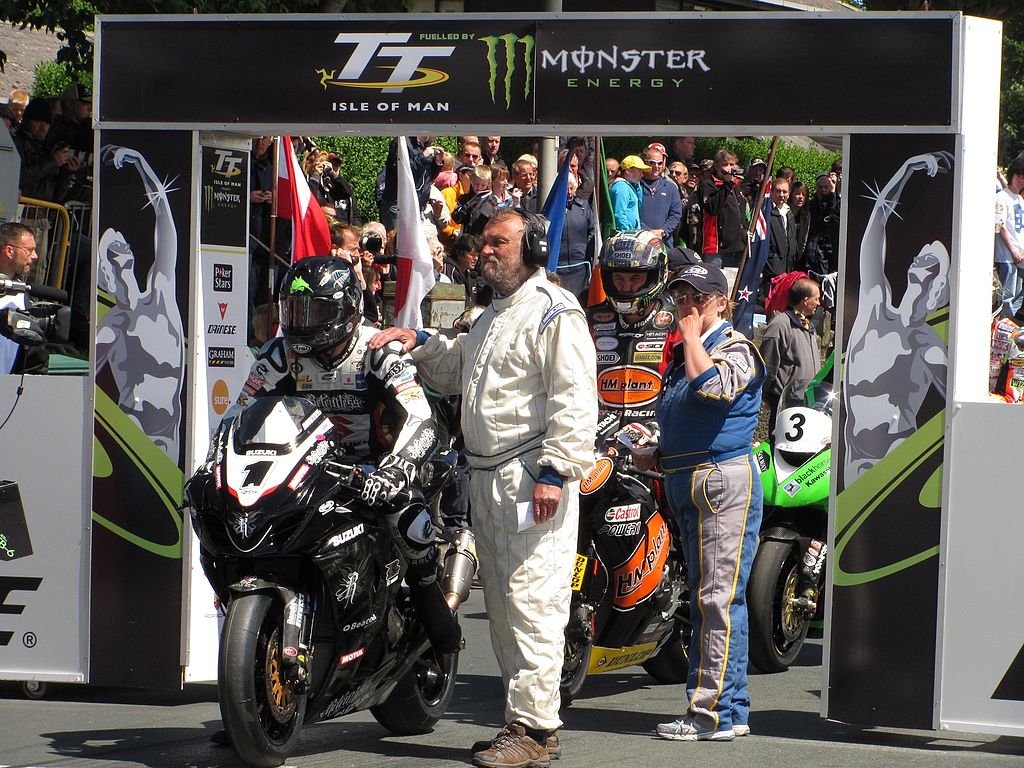
The Isle of Man TT or Tourist Trophy races are an annual motorcycle sport event run on the Isle of Man in May/June of most years since its inaugural race in 1907, and is often called one of the most dangerous racing events in the world.

The Isle of Man TT is run in a time-trial format on public roads closed to the public by an Act of Tynwald (the parliament of the Isle of Man). The event consists of one week of practice sessions followed by one week of racing. It has been a tradition, perhaps started by racing competitors in the early 1920s, for spectators to tour the Snaefell Mountain Course on motorcycles during the Isle of Man TT on “Mad Sunday“, an informal and unofficial sanctioned event held on the Sunday between ‘Practice Week’ and ‘Race Week’.
The first Isle of Man TT race was held on Tuesday 28 May 1907 and was called the International Auto-Cycle Tourist Trophy.[5] The event was organised by the Auto-Cycle Club over 10 laps of the Isle of Man St John’s Short Course of 15 miles 1,470 yards for road-legal ‘touring’ motorcycles with exhaust silencers, saddles, pedals and mudguards.
From 1911 the Isle of Man TT transferred to the much longer Snaefell Mountain Course of 37.40 miles (current length 37.73 miles). The race programme developed from a single race with two classes for the 1907 Isle of Man TT, expanding in 1911 to two individual races for the 350cc Junior TT motor-cycles and the Blue Riband event the 500cc Senior TT race. The race did not take place from 1915 to 1919 due to the First World War. It resumed in 1920. A 250cc Lightweight TT race was added to the Isle of Man TT programme in 1922 followed by a Sidecar TTrace in 1923.
There was no racing on the Isle of Man between 1940 and 1945 due to the Second World War. It recommenced with the Manx Grand Prix in 1946 and the Isle of Man TT in 1947, with a greatly expanded format that included the new Clubman’s TT races. The Isle of Man TT became part of the FIM Motor-cycle Grand Prix World Championship (now MotoGP) as the British round of the World Motor-Cycling Championship during the period 1949–1976. Following safety concerns with the Snaefell Mountain Course and problems over inadequate ‘start-money’ for competitors, there was a boycott of the Isle of Man TT races from the early 1970s by many of the leading competitors, motorcycle manufacturers and national motorcycle sporting federations.
It is still billed in popular culture as the most dangerous motorsport event in the world, with the New York Times stating the number of deaths “to 146 since it was first run in 1907; if one includes fatal accidents occurring during the Manx Grand Prix, the amateur races held later in the summer on the same Snaefell Mountain Course, the figure rises above 250”[7][8] fatalities in its history. An on-site account of the 2003 race by Sports Illustrated writer Franz Lidz called the spectacle “38 Miles of Terror… a test of nerves and speed that may be sport’s most dangerous event.” In 1976, the Isle of Man TT lost its world championship status; this was transferred to the United Kingdom by the FIM and run as the British Grand Motor-Cycle Grand Prix for the 1977 season. The Isle of Man TT Races then became an integral part of the new style TT Formula 1, Formula 2 and Formula 3 World Championships between 1977 and 1990 to develop and maintain the international racing status of the Isle of Man TT races. The event was redeveloped by the Isle of Man Department of Tourism as the Isle of Man TT Festival from 1989 onwards. This included new racing events for the new Isle of Man TT Festival programme, including the Isle of Man Pre-TT Classic Races in 1989 followed by the Isle of Man Post-TT Races from 1991 and both held on the Billown Circuit. In 2013, the Isle of Man Classic TT was developed by the Isle of Man Department of Economic Development and the Auto-Cycle Union for historic racing motorcycles, and along with the Manx Grand Prix now forms part of the ‘Isle of Man Festival of Motorcycling’ held in late August of each year.
The event has not been without criticism. In 2007 an incident during the ‘senior race’ resulted in the death of a rider and two spectators. The resultant inquest made several recommendations and included several comments, such as: ‘Senior Marshals may well have been elevated beyond the sphere of their competence’. It also noted that “I am more than aware of the fact that the witnesses from the Manx Motor Cycle Club and the marshals are all volunteers. They give their time freely and without paid reward. Having said that however, if it were suggested because they were volunteers there should be some allowance in the standards expected of them, then I regret I cannot agree’ on the subject of competency.”
The island was cut off from the surrounding islands around 8000 BC, but was colonised by sea some time before 6500 BC. The first residents were hunter-gatherers and fishermen. Examples of their tools are kept at the Manx Museum.

The Neolithic Period marked the beginning of farming, and megalithic monuments began to appear, such as Cashtal yn Ard near Maughold, King Orry‘s Grave at Laxey, Meayll Circle near Cregneash, and Ballaharra Stones at St John’s. There were also the local Ronaldsway and Bann cultures.
During the Bronze Age, burial mounds became smaller. Bodies were put in stone-lined graves with ornamental containers. The Bronze Age burial mounds created long-lasting markers around the countryside.
The ancient Romans knew of the island and called it Insula Manavia although it is uncertain whether they conquered the island. Around the 5th century AD, large-scale migration from Ireland precipitated a process of Gaelicisation evidenced by Ogham inscriptions, giving rise to the Manx language, which is a Goidelic language closely related to Irish and Scottish Gaelic.
Vikings arrived at the end of the 8th century. They established Tynwald and introduced many land divisions that still exist. In 1266 King Magnus VI of Norway ceded the islands to Scotland in the Treaty of Perth; but Scotland’s rule over Mann did not become firmly established until 1275, when the Manx were defeated in the Battle of Ronaldsway, near Castletown.
In 1290 King Edward I of England sent Walter de Huntercombe to take possession of Mann. It remained in English hands until 1313, when Robert Bruce took it after besieging Castle Rushen for five weeks. A confused period followed when Mann was sometimes under English rule and sometimes Scottish, until 1346, when the Battle of Neville’s Cross decided the long struggle between England and Scotland in England’s favour.
English rule was delegated to a series of lords and magnates. The Tynwald passed laws concerning the government of the island in all respects and had control over its finances, but was subject to the approval of the Lord of Mann.
In 1866, the Isle of Man obtained limited home rule, with partly democratic elections to the House of Keys, but an appointed Legislative Council. Since then, democratic government has been gradually extended.
The Isle of Man has designated more than 250 historic sites as registered buildings.
This is an example post, originally published as part of Blogging University. Enroll in one of our ten programs, and start your blog right.
You’re going to publish a post today. Don’t worry about how your blog looks. Don’t worry if you haven’t given it a name yet, or you’re feeling overwhelmed. Just click the “New Post” button, and tell us why you’re here.
Why do this?
The post can be short or long, a personal intro to your life or a bloggy mission statement, a manifesto for the future or a simple outline of your the types of things you hope to publish.
To help you get started, here are a few questions:
You’re not locked into any of this; one of the wonderful things about blogs is how they constantly evolve as we learn, grow, and interact with one another — but it’s good to know where and why you started, and articulating your goals may just give you a few other post ideas.
Can’t think how to get started? Just write the first thing that pops into your head. Anne Lamott, author of a book on writing we love, says that you need to give yourself permission to write a “crappy first draft”. Anne makes a great point — just start writing, and worry about editing it later.
When you’re ready to publish, give your post three to five tags that describe your blog’s focus — writing, photography, fiction, parenting, food, cars, movies, sports, whatever. These tags will help others who care about your topics find you in the Reader. Make sure one of the tags is “zerotohero,” so other new bloggers can find you, too.

 Sachin Beniwal